
Our Collection: Hand & Horse Drawn
Hall of Flame
Hand & Horse Drawn
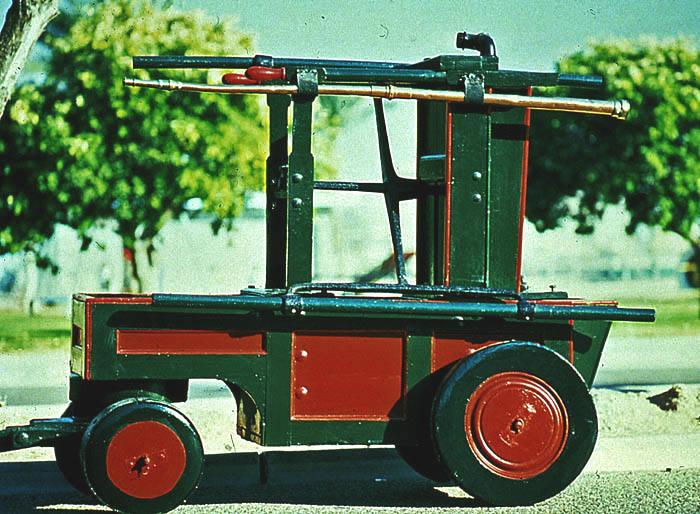
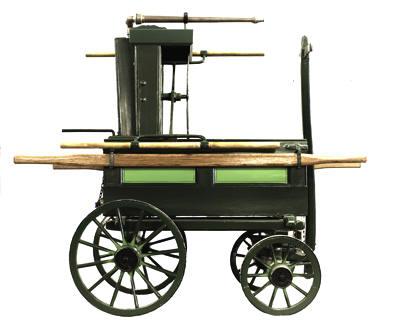
The Museum has a variety of hand and horse drawn apparatus dating from 1725 to 2004. While exhibits are subject to change, and constantly in process of being maintained or refurbished, the grid below shows some of the museum’s major holdings of hand and horse drawn apparatus.
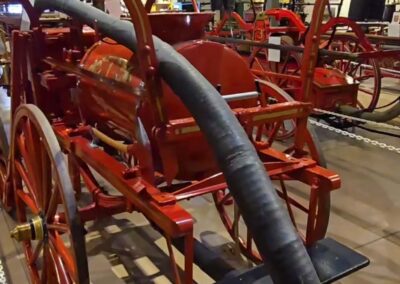
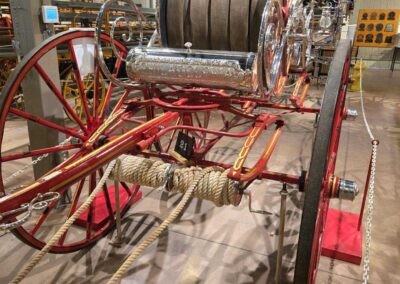
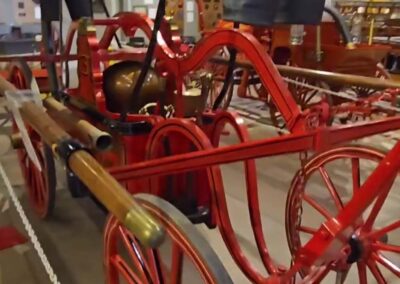
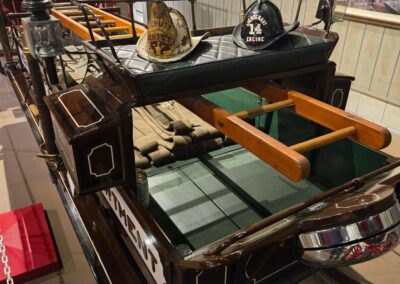
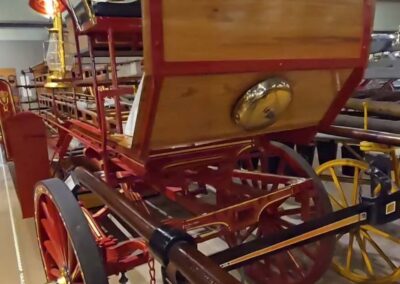
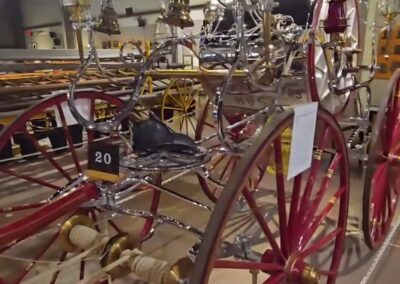
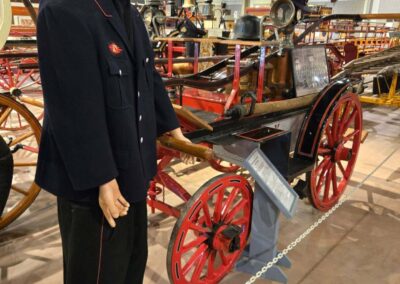
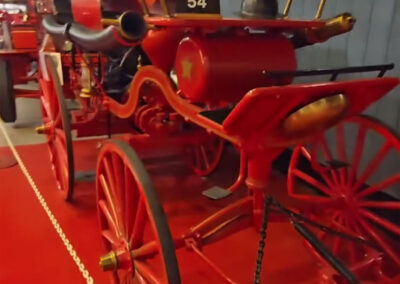
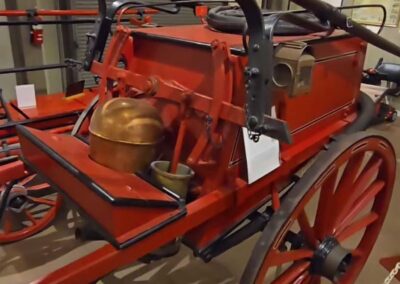
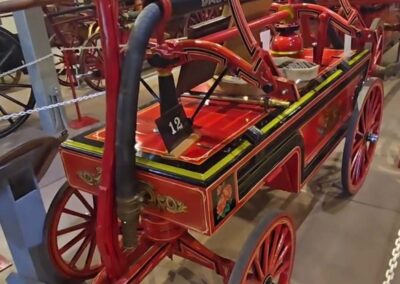
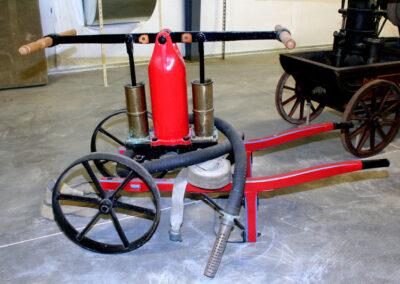
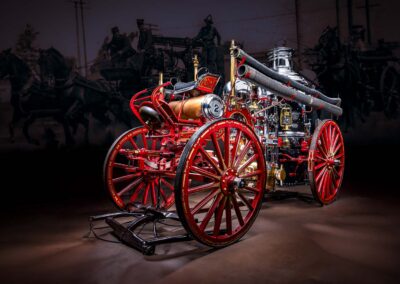
The slideshow below features additional hand and horse drawn apparatus on display at our museum.
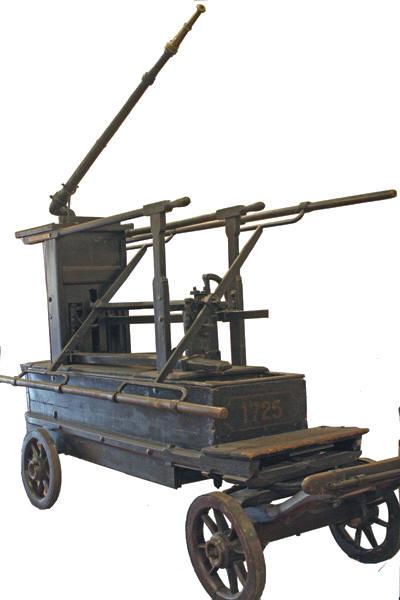
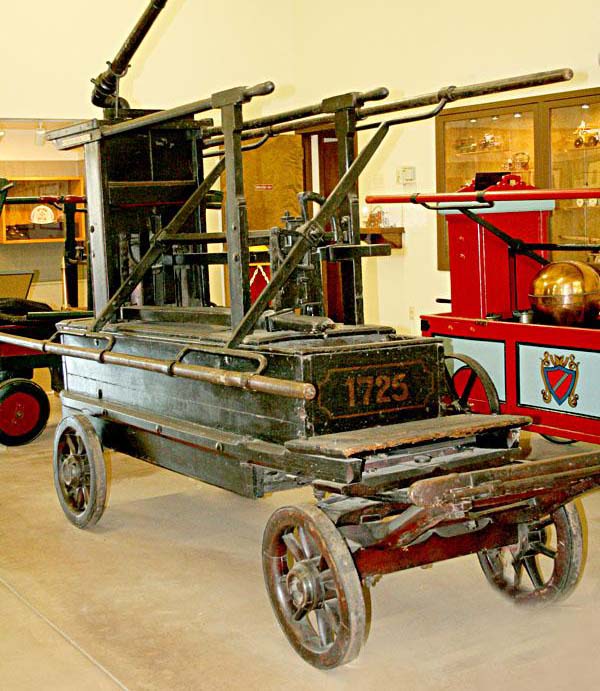
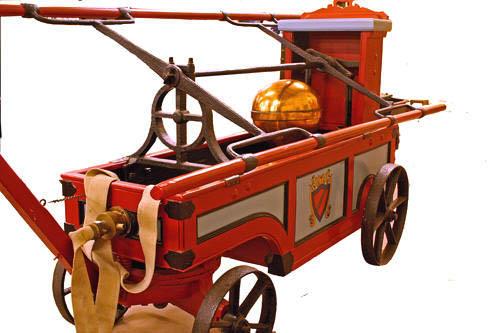
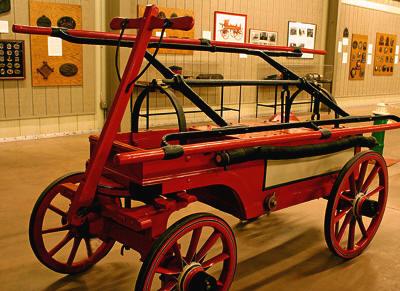
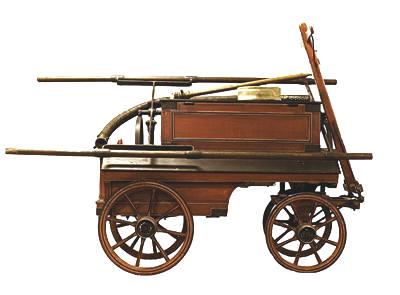
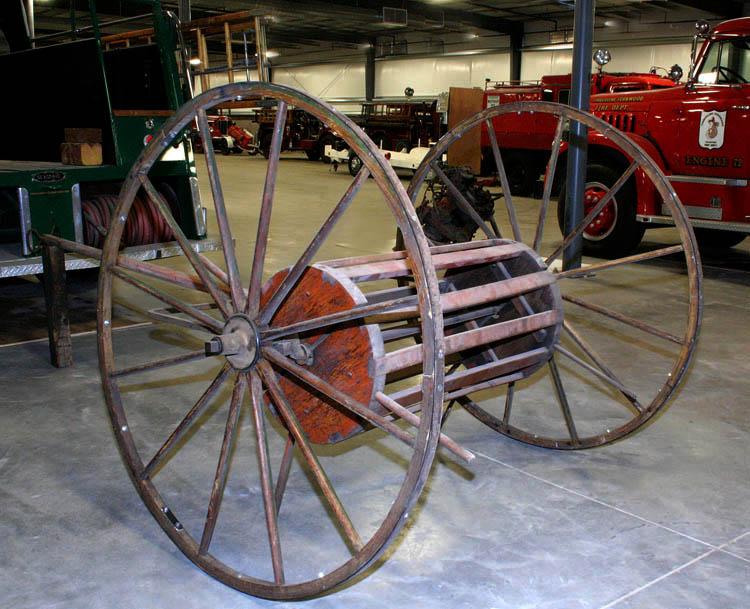
In the short video below, Mark Moorhead who is the curator of education at The Hall of Flame Museum introduces Gallery 1 and features the oldest fire fighting apparatus in the museum, a 1725 Newsham Manual Fire Engine.
Our Collections
For specific information on the museum’s major holdings, select a category below.
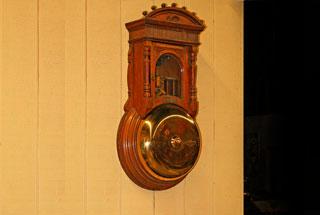
Fire Alarm Systems
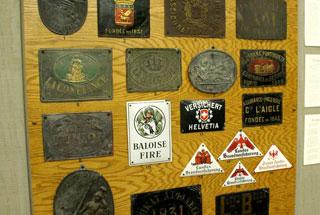
FireMarks
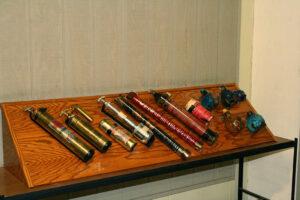
Fire Extinguishers
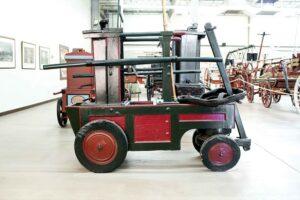
Hand & Horse Drawn
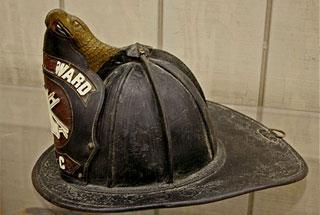
Fire Helmets
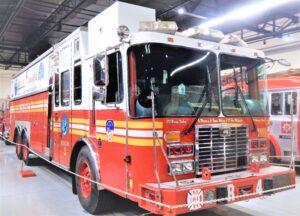
Motorized
Additional Fire Related Objects in Our Collection
Hall of Flame's collection of graphic materials includes lithographs, prints, engravings, arm patches, paintings, and photographs.